
 Your Mission…
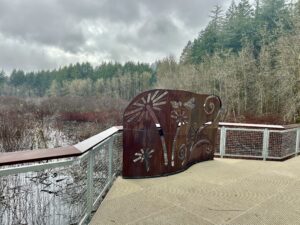
Option 1. Take a picture of the Grass Lake Wetland from the boardwalk. This is at the end of the 1.1 mile paved trail.
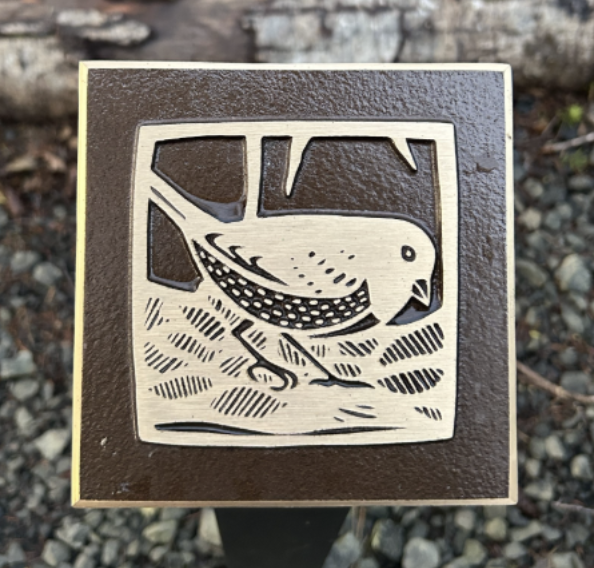
Option 2. Take a picture of any of the metal artwork at the park. Examples are the mushroom sculpture, the plates along the trail or the duck blind at boardwalk.
KNOW BEFORE YOU GO
- Park Hours 7 a.m. or dawn to 6 p.m. or dusk.
- Parking is available at the trailhead.
- The trail is 1.1 miles and paved, wide, and gently graded, making it an ADA accessible place to walk, bike, and enjoy nature.
- Leashed dogs are permitted on all trails.
 History
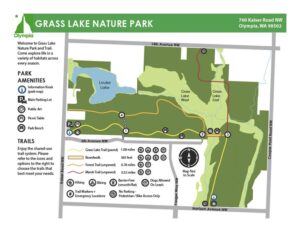
Grass Lake Nature Park is 219.71 acres and was acquired by the City of Olympia in 1989. Additional acreage was added over the years to expand and preserve this important ecosystem. This park contains the headwaters of Green Cove Creek. Grass Lake Park was named after the grasses that grow in the wetland part of the park.
For thousands of years, Indigenous peoples including the Squaxin Island Tribe, the Nisqually Indian Tribe, and other Coast Salish communities have lived and taken care of the land around Grass Lake Park.
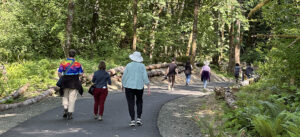
Wildlife to Look For Along the Trail
This park is rich in biodiversity. An array of habitats – forests, wetlands, and in-between zones. Over 100 species of birds have been recorded in the park. Look and listen carefully –can you find any signs of birds, squirrels, salamanders, bats, or frogs along the trail?
There are five different interpretative signs on this trail. They highlight different plants and animals. Can you find any of the plants featured in the signs?
Each interpretive sign has a corresponding etching plate of an animal to allow visitors to interact with the art. The animals on each plate are commonly seen in this park. Bring some paper and a pencil or crayon to capture the beauty of this park. You can also download this Rubbing Plate Template. (Print at 10 x 17 to fit the full-size etching plate.)
Check out the links below for additional information about the plants and animals that live in Grass Lake Park:
Deciduous Forest Sign
Spotted Towhee
Licorice Fern
Coniferous Forest Sign
Douglas Squirrel
Douglas Fir
The In-Between Zone
Pacific Treefrog
Western Tiger Swallowtail 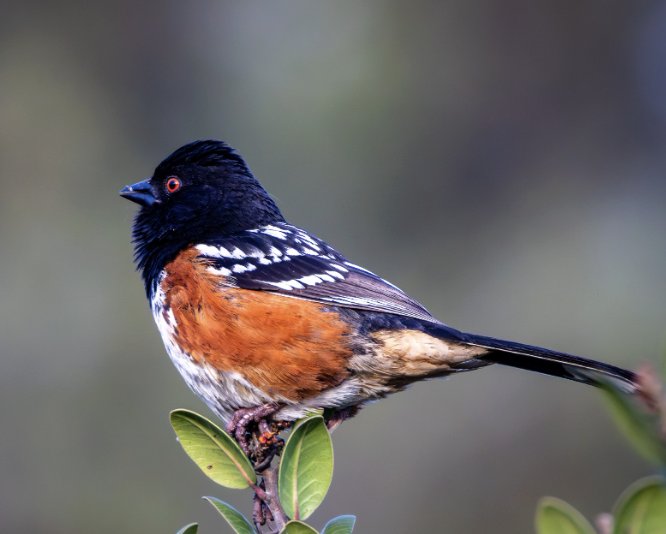
Orange Honeysuckle
Forested Wetland
Oregon Ash
Wood Duck
Scrub-Shrub Wetland
Olympic Mud Minnow
Douglas Spiraea

Importance of Wetlands
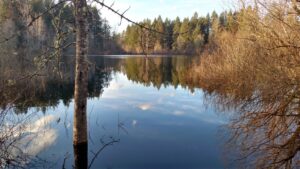
Follow the trail until you reach the Grass Lake Wetland. Wetlands contribute to the health of our waterways and recharge our ground water. Ground water is where we get our drinking water in Olympia.
When it rains, wetlands slow the water down, let it soak into the ground, and filter it before it continues downstream. This wetland feeds the headwaters of Green Cove Creek, which is one of the most environmentally intact wetland systems in northern Thurston County. The Green Cove Creek watershed supports many salmonid species, including Chinook, bull trout, chum, coho, steelhead, and cutthroat, in addition to abundant native birds, amphibians and mammals. Grass Lake Park helps ensure there is enough water and protects the water quality for these animals and as it flows to the Eld Inlet.
Learn more about wetlands at Department of Ecology’s Wetlands webpage.
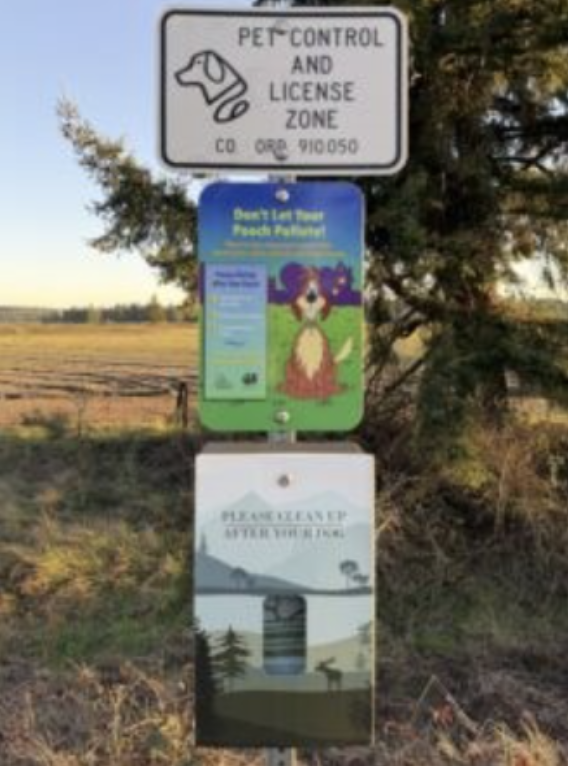
Don’t Let Your Pooch Pollute
How can you help maintain good water quality at the Grass Lake Park?
Don’t let your pet pollute! Pet waste can wash into our waterways, adding bacteria and nutrients that pollute water and can harm people, pets, fish, and wildlife.
Help protect our waters and pick up after your pet! Scoop it, bag it, and trash it—every time! Even in forests and in wetlands!
 Congratulations!
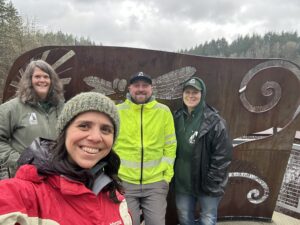
Option 1. Take a picture of the Grass Lake Wetland from the boardwalk. This is at the end of the 1.1 mile paved trail.
Option 2. Take a picture of any of the metal artwork at the park.
Make sure you log in to the Goosechase app and submit your photo to collect your park specific sticker.