
Spring cleaning is a great time to freshen up your home, but our cleaning activities can have a dirty impact on local waters. Many common cleaning activities can send harmful pollutants into storm drains, which often flow directly into nearby creeks, rivers, lakes, and the Salish Sea.
Anything other than rainwater entering the storm system is considered an illicit discharge, and it’s illegal. This includes wash water, paint, oil, pet waste, and other pollutants. Improper disposal can harm our families and our environment.
Carpet Cleaning: Dispose of Wastewater Properly
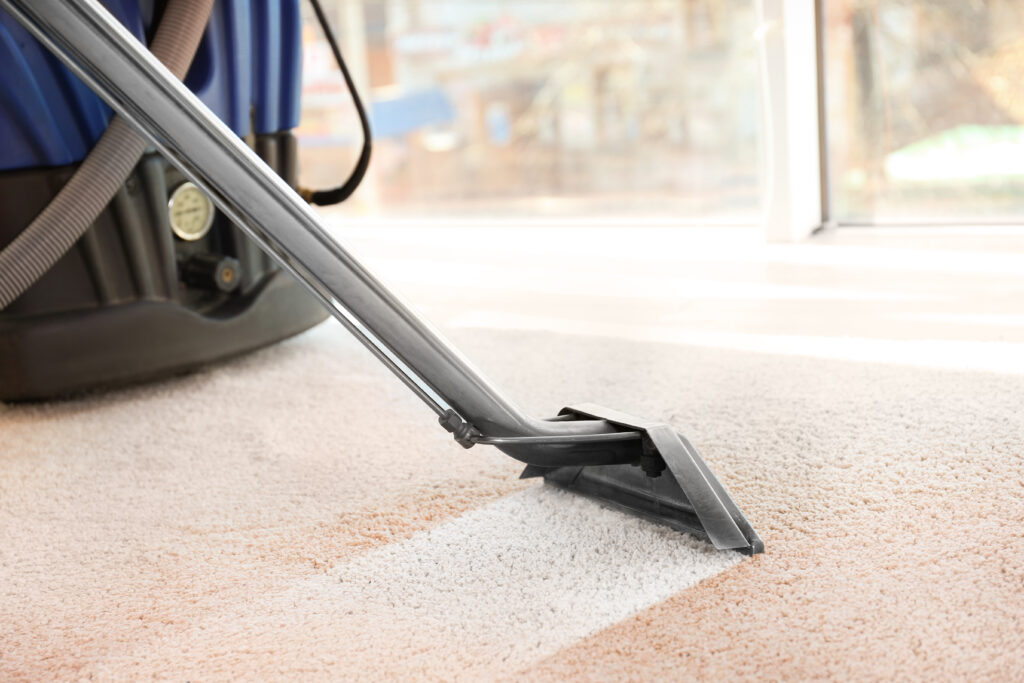
Carpet cleaning wash water can contain soap, dirt, grease, carpet fibers, heavy metals, and other pollutants, even when using “biodegradable” products.
Dispose of wash water properly. Never dump this water into a storm drain or street.
- If you are on a sewer system: Pour wastewater into a sink, toilet, tub, or shower drain. Filter out lint and debris first to prevent clogs.
- If you are on a septic system: Do not pour wastewater down drains, it can damage your system. Instead, filter debris and spread the water over a landscaped or graveled area. Keep it away from wells, drain fields, and vegetable gardens.
- If hiring a professional: Ask about their wastewater disposal practices. They should use approved sewage disposal sites.
Pressure Washing: Managing Wash Water
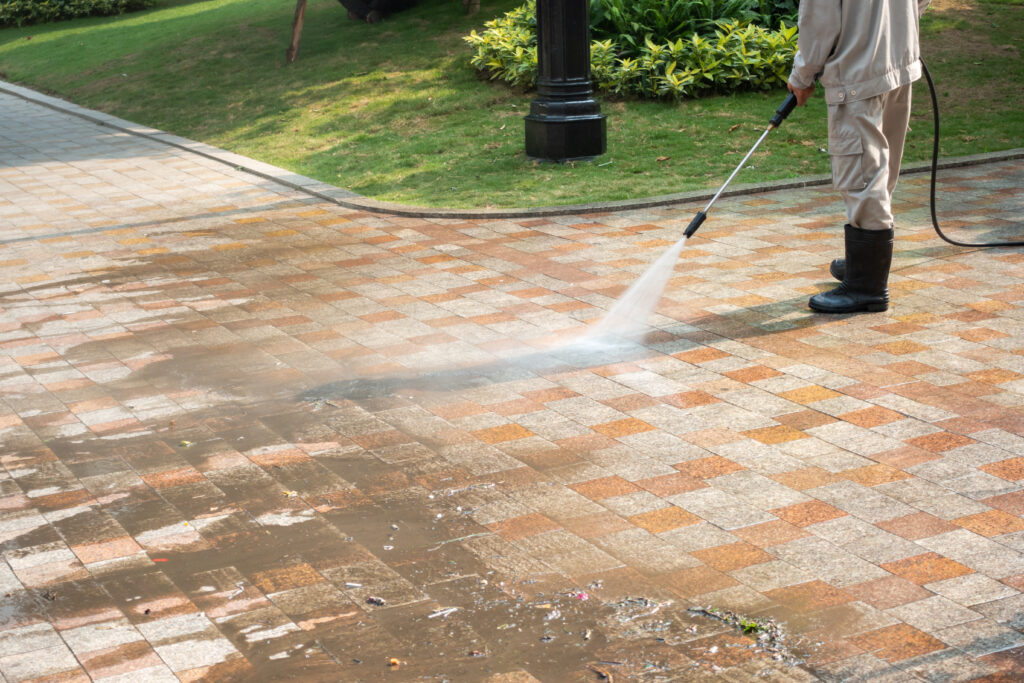
Pressure washing can carry paint chips, dirt, and chemicals into storm drains.
Pressure Washing best practices:
- Whenever possible, sweep instead of washing to remove debris
- Use the lowest pressure and the least amount of water possible
- Avoid hazardous cleaners (e.g., bleach, sodium hydroxide, acids)
- Direct wash water to grassy or graveled areas, not streets or storm drains
- Cover nearby storm drains or use filters to catch debris
- Sweep, vacuum, or rake up paint chips and dispose of them in the trash
Pet Waste: Every Dog, Every Doo, Every Time
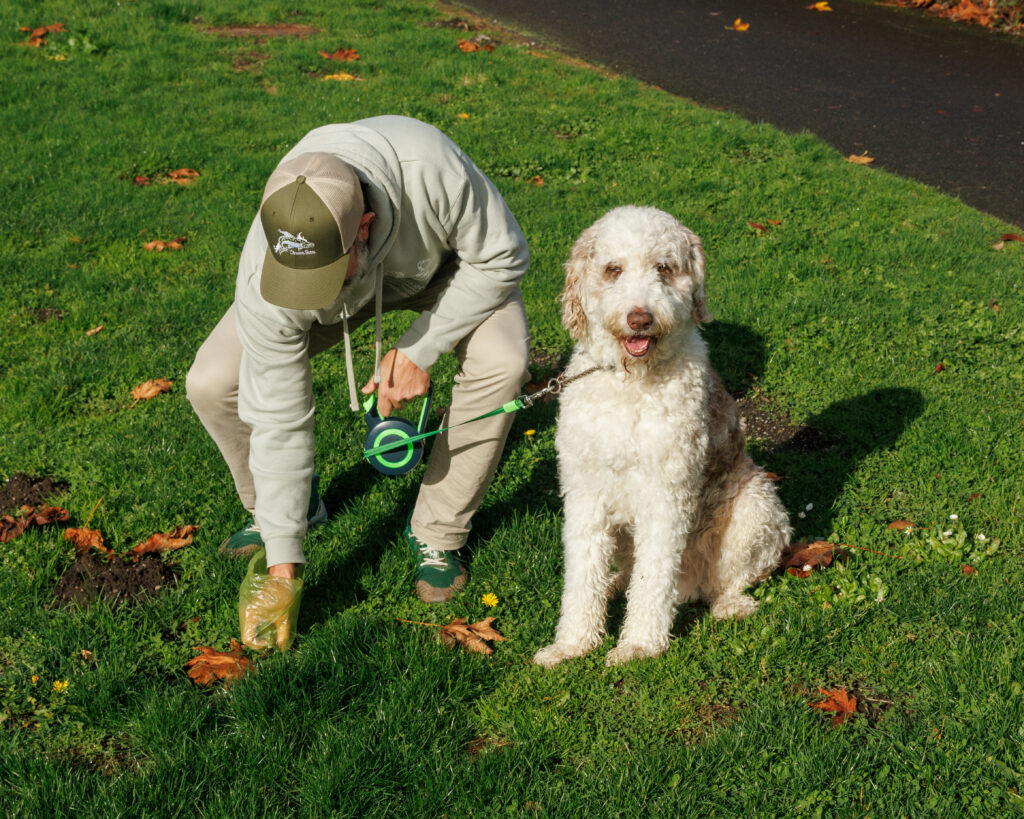
Pet waste contains harmful bacteria and viruses that can pollute waterways, contaminate shellfish, and make people, especially children, sick.
When at home or on a walk, always: Scoop it. Bag it. Trash it.
Spills and Illicit Discharges
For small spills around your home or business:
- Use kitty litter or absorbent material
- Sweep up and throw in the trash
- Take hazardous waste to a proper facility if needed
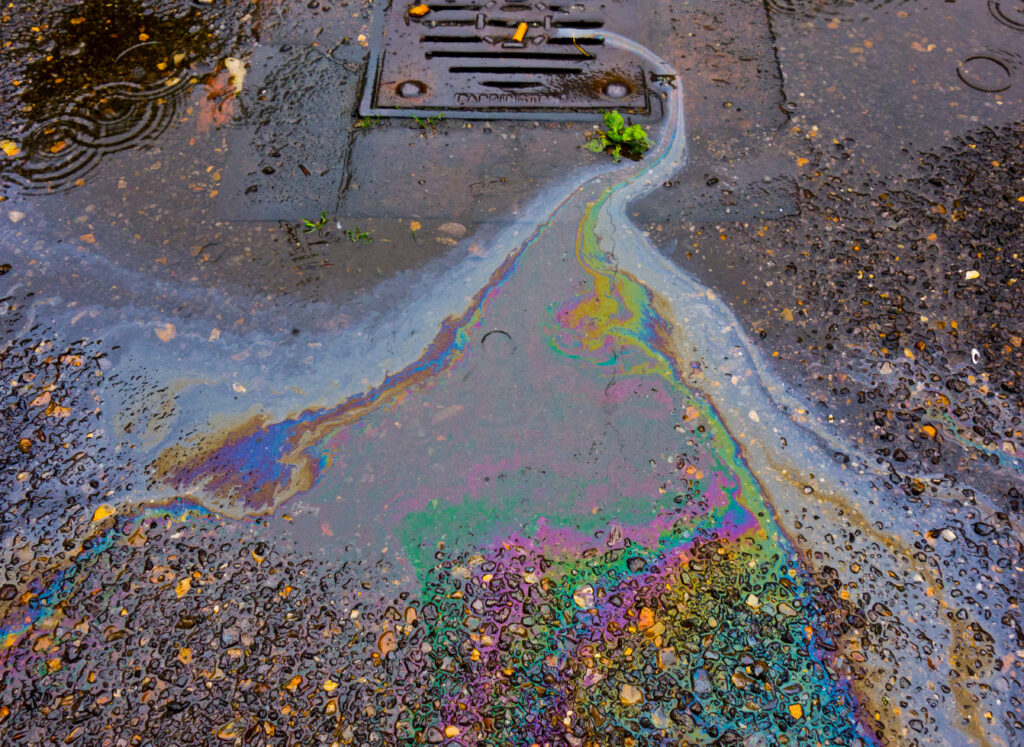
Report anything other than rainwater entering storm drains. Reports can be made anonymously.
Local hotlines (24-hour):
- Olympia: 360-753-8333
- Lacey: 360-491-5644
- Tumwater: 360-754-4150
- Thurston County: 360-867-2099
- Large spills: WA Dept. of Ecology: 360-407-6300
- Emergency threats: Call 911
By keeping it “green” when you clean, you help protect your community and the natural resources that make this region such a great place to live.