
Protect Water, Wildlife, and Our Community
A deep clean is a great way to refresh your home. It’s also a chance to notice products that should not go in the trash, down the drain, or onto the ground. These products, known as household hazardous products, are dangerous to humans, pets, and the environment. Learning how to identify, store, and dispose of these harmful chemicals will protect you, your family, and your pets. You’ll also keep pollution out of local streams, lakes, and the water we drink!
What are Household Hazardous Products?
Household hazardous products include everyday products that are toxic, flammable, corrosive, or reactive. Many households use these products. It’s important to take extra care when using, storing, and disposing of them. The signal words “poison,” “danger,” “warning,” or “caution” on the product label tell you how hazardous a product is. Always follow the label directions for safe use, storage, and disposal.
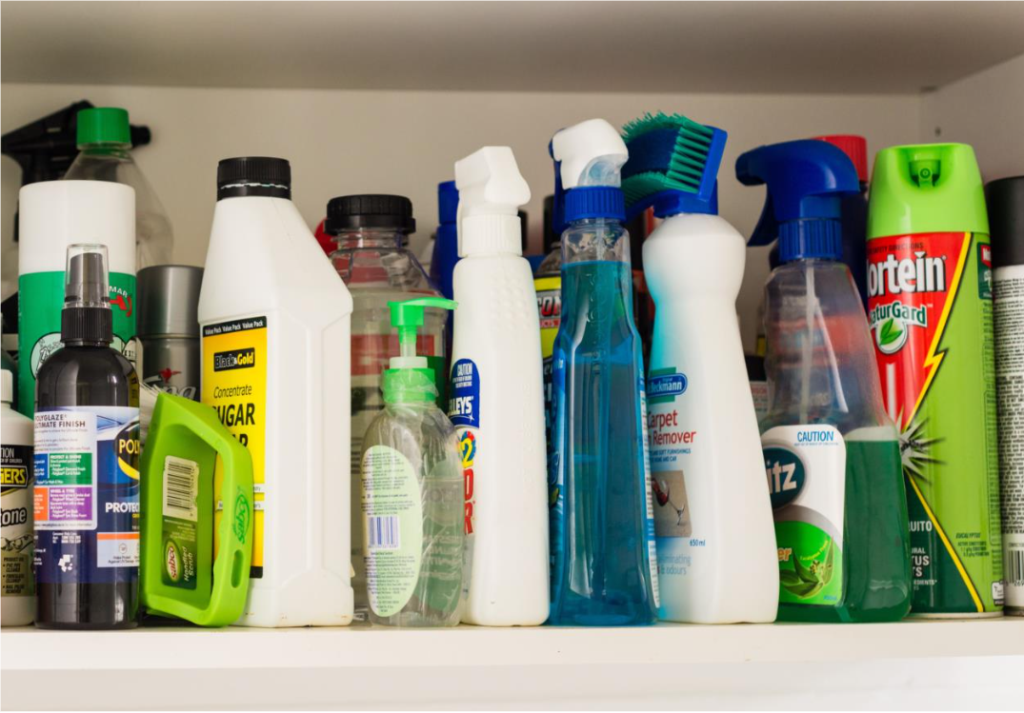
Examples of household hazardous products include:
- Latex and oil-based paints, stains, and solvents
- Some cleaning products
- Yard and garden care products
- Automotive fluids, like used motor oil and antifreeze
- Hobby chemicals and art supplies
- Aerosol products like air fresheners
- Batteries and fluorescent light bulbs
Reduce Household Hazardous Products
The best way to manage hazardous household products is to reduce how much you bring home in the first place.
- Choose less-toxic alternatives when you can. Visit the Thurston County’s Healthy Homes & Yards Program to learn more about choosing safer household products.
- Buy only what you need.
- Use products until they are gone.
- Share leftover products with neighbors, community groups, or the HazoHouse Reuse Program to keep usable products out of the waste stream.
Safe Storage and Handling
Hazardous products are often stored for months or years before disposal. Storing and handling them safely helps prevent spills, fumes, and accidental exposure.
Always:
- Follow label directions for safe use and storage.
- Wear appropriate personal protective equipment (gloves, googles, ventilator) when handling.
- Keep products in their original containers so all important safety information remains with the product.
- Store those products in a second, leakproof container (like a plastic tub) with a lid. Keep them out of reach of children and pets—ideally in a locked cabinet.
- Keep products out of reach of children and pets. Many accidental exposures happen while the product is in use.
- Place damaged containers inside a second container.
Never:
- Pour hazardous products or contaminated wash water down sinks, toilets, or storm drains.
- Dump products on the ground or into ditches or storm drains.
- Throw hazardous materials in the trash.
- Mix chemical products, as this can create dangerous fumes. It is especially important not to mix cleaners.
Dispose of Household Hazardous Waste
Unwanted or expired household hazardous products can be disposed of for free at HazoHouse.
HazoHouse is located at the Thurston County Waste and Recovery Center, 2420 Hogum Bay Road NE, in Lacey. HazoHouse is free for Thurston County residents and open daily from 8:00 a.m. to 4:45 p.m.
For accepted materials, packing tips, and transport info, visit the Thurston County HazoHouse webpage. You can also call (360) 867-2912.
Take-back options for items like expired or unused medications, batteries, electronics, or leftover paint also exist. If you’re not sure how to dispose of an item, please visit Thurston County’s Where Do I Take My webpage. In the search bar, type in the name of the item for a list of options. Your local environmental health department can also help.
Only Rain Down the Storm Drain
Water that enters storm drains often flows directly to nearby creeks, lakes, or the Salish Sea without treatment. We depend on these local waterways for healthy living. Follow these tips to keep polluted water out of storm drains:
Pressure washing:
- Use the lowest setting.
- Direct wastewater to a landscaped area.
- Avoid toxic cleaners.
- Keep paint chips out of storm drains.
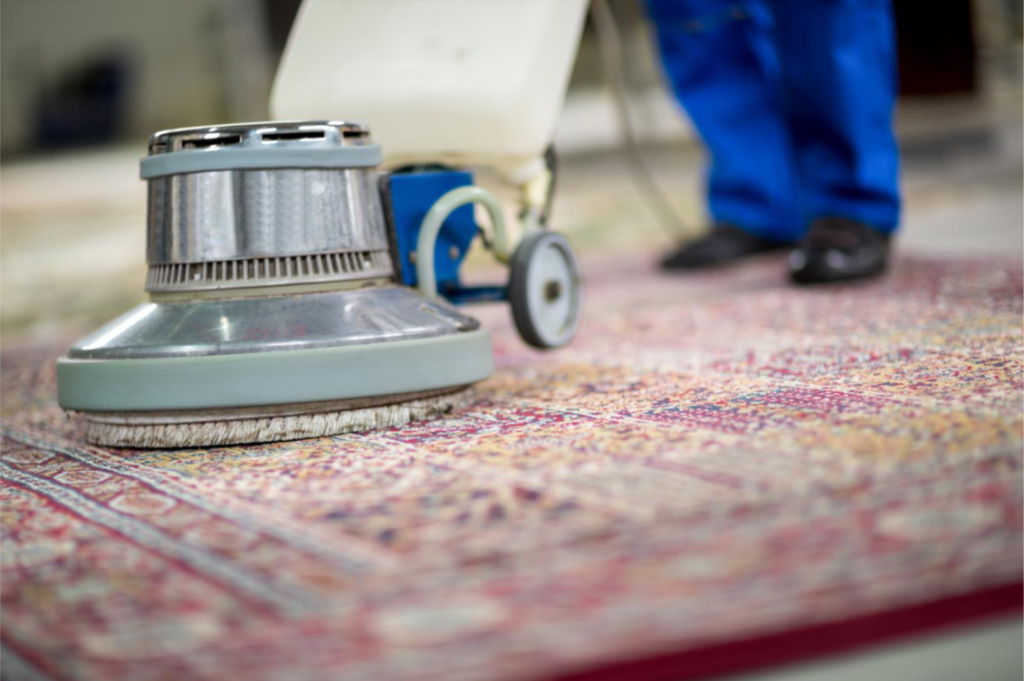
Cleaning carpets:
- When finished, filter the dirty water and throw the debris away in the garbage.
- Dispose of the filtered water in a drain that connects to a sewer or septic system like a sink, toilet, or floor drain. Never dispose of filtered water on the street, into the gutter, or into a storm drain.
- If you hire a mobile carpet cleaning service, make sure they comply with best management practices by filtering the wastewater and discharging it into the sanitary sewer system.
Spills: What Should I Do?
Not all spills are the same. Contained spills at home can be cleaned up. Spills occurring outside that could reach a storm drain or water body need to be reported.
Spills inside your home
If a hazardous product spills or leaks at your home and is contained inside a structure like a garage or storage room with a sealed floor, ventilate the area and clean it up right away. Wear the personal protective equipment recommended by the product’s label. You can use absorbent materials like kitty litter or sawdust to prevent the spilled product from spreading, along with rags or towels. Take the leftover product and any absorbent materials you used to clean up the spill to HazoHouse.
If the spill occurs outside, or will reach a storm drain or water body, it should be reported. Pollutants enter our local waterways and the Salish Sea when rain washes spilled hazardous products and other materials into the storm drain. Quick reporting of spills goes a long way to keep our local waterways healthy and safe.
Report a small-scale spill
Call the 24-hour hotline for the jurisdiction where the spill occurred. You can do so anonymously.
- Olympia: (360) 753-8333
- Lacey: (360) 491-5644
- Tumwater: (360) 754-4150
- Thurston County: (360) 867-2099
If it is an active spill from a large container, it is considered large-scale.
Report a large-scale spill
Call the Washington Department of Ecology at (360) 407-6300. For life-threatening spill emergencies, call 911.
Why this Matters
Small actions at home can have a real impact beyond your front door. Safe storage and disposal can help protect the people, wildlife, and waterways that make our community healthy!