What is killing the salmon?
Study after study has shown that salmon fare worse in urban streams. The question is why, and what can be done about it? In 2020, scientists made a breakthrough discovery about what was killing salmon in urban streams. The culprit, 6PPD-q, is a toxic molecule that comes from car tires and kills coho salmon at remarkable rates. Since then, cities and universities have begun to search for solutions. Chemical alternatives for tires are being studied. Bioremediation has shown promising results. But simple changes to our day-to-day lives and built environments can directly help solve the problem.
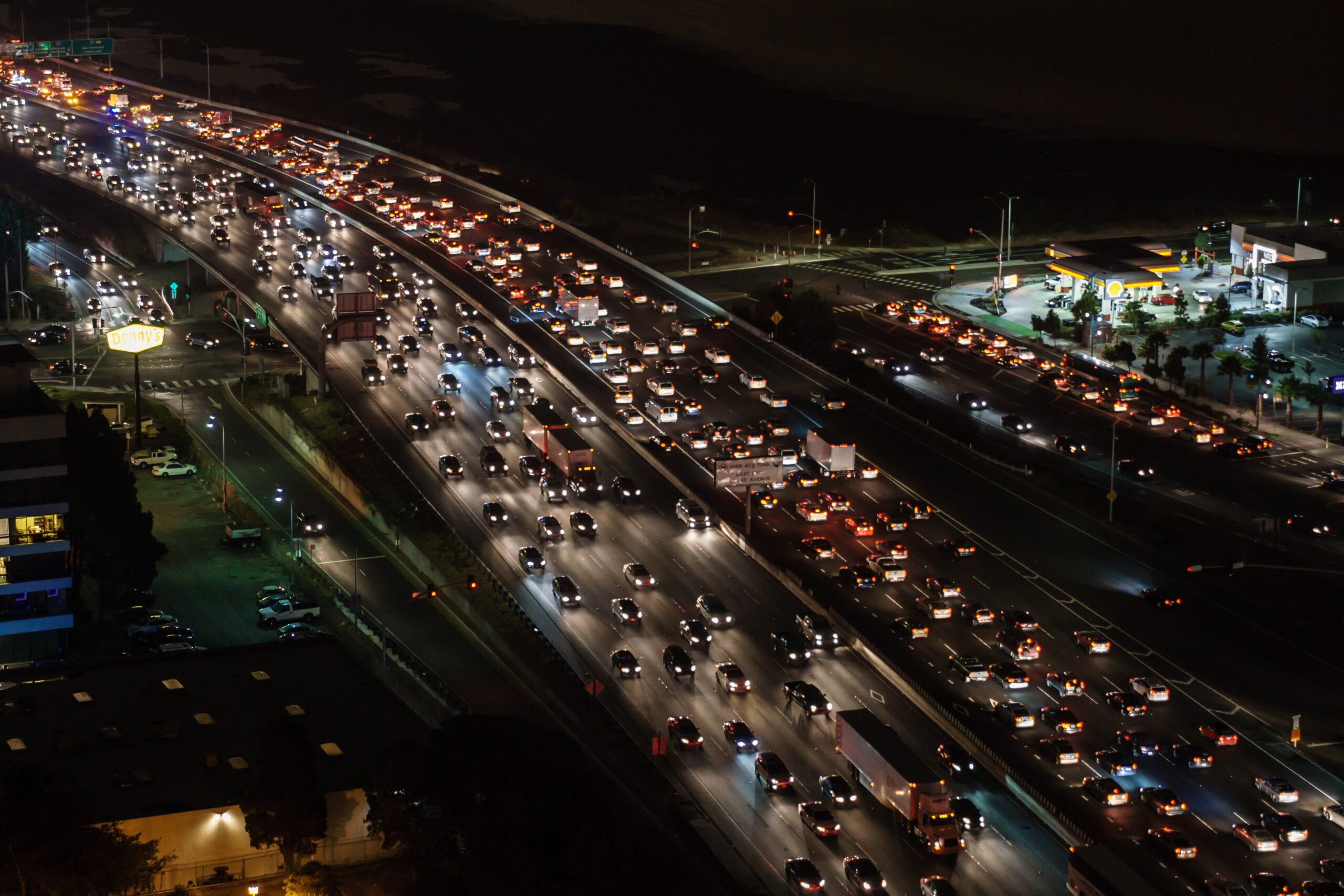
So, what is the deal with 6PPD-q? The very simple version is that 6PPD is a preservative in car tires. As the tire wears down, tire particles build up on the road. When it rains, the chemical interacts with the water to become 6PPD-q and washes into streams, where it kills salmon at remarkable rates. 6PPD-q is so toxic that just 1mg in 26,000 gallons of water produces a mortality rate of 50% in Coho salmon. That’s about the same ratio as a grain of rice in an Olympic sized swimming pool. Since 6PPD-q kills fish at such remarkable rates, simply reducing the number of cars on the road won’t solve the problem. We actually need to reduce the amount of road there is. But how do we do that? Ironically, urban development might be the best solution to urban pollution. Why? Because not all urbanization is created equal.
What can we do about it?
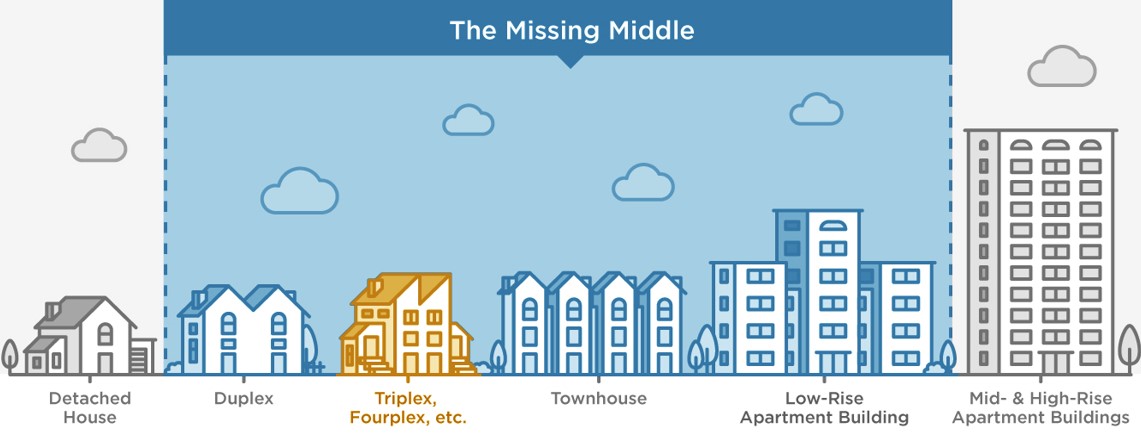
Medium-density walkable neighborhoods with access to frequent public transit reduce the need to build large parking lots and multilane roads. This kind of neighborhood is sometimes referred to as the “missing middle” because it is so absent in North American cities, which tend to have a highly urbanized urban core surrounded by miles upon miles of suburban sprawl. This makes our cities geographically massive, requiring more roads, parking lots, and other impervious surfaces to get people from one place to another. It might be counterintuitive, but densifying our cities is one of the best things we can do to help protect salmon.
However, that won’t happen overnight. There are plenty of things you can do in the meantime to help protect salmon from 6PPD-q:
- Take advantage of Thurston County’s amazing free bus system.
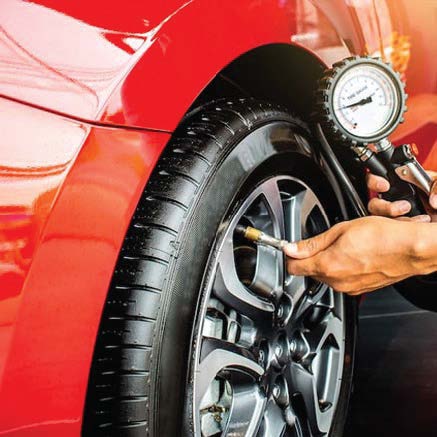
- Check your tire pressure monthly and always keep them filled properly. Underinflated tires degrade faster and shed more 6PPD-q
- Plant a rain garden. Bioremediation (fancy word for using plants to filter dirty water) has proven to be one of the most effective mitigation techniques!