
Mosses are bryophytes, which are non-vascular land plants that lack specialized structures for carrying water and minerals through their plant bodies. Bryophytes remain small, growing in groups, and usually grow in wet, shady places that are poorly drained and slightly acidic. During times of drought, moss have the ability to dry up and then come “back to life” upon re-wetting.
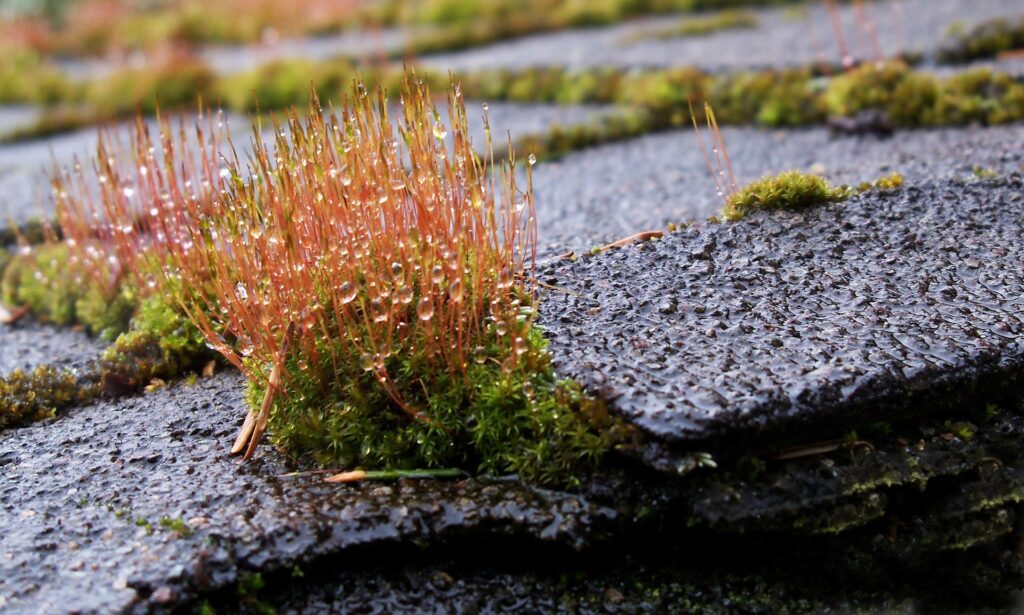
Mosses reproduce by spores that blow through the air and eventually grow where they land on the ground, a branch, or the trunk of a tree. If the area where a bryophyte spore lands is moist, it will grow. Bryophytes lack true roots; instead, they attach themselves by rhizoids (hair like filaments) and grow in many diverse habitats. In the Pacific Northwest, where rainfall is plentiful, mosses are abundant. Spore reproduction allows moss to grow everywhere in our environment, residing in the cracks of sidewalks and lawns, as well as covering the ground of our forests and trees. There are tens of thousands of moss species worldwide.
The role of bryophytes (moss) is important to the health and function of our ecosystem. Bryophytes are essential in initiating soil formation, maintaining soil moisture, preventing erosion and recycling forest nutrients. Moss provides a seed bed for germinating larger plants, and is essential in the formation and maintenance of wetland habitats. Moss is also used by numerous animal species for food and nesting materials.
Interested in rare mosses? Go to the Washington Department of Natural Resources Natural Heritage Program site.
Learning to Cope with Bossy Moss
As the rainy season of Western Washington returns again, many of you are probably noticing moss growing in different places around our homes: the roof, lawn, decks, patios and driveways. As a native to the Pacific Northwest, moss loves overcast skies, wet winters and compacted, acidic soil. So, naturally, moss grows just about everywhere in Thurston County!
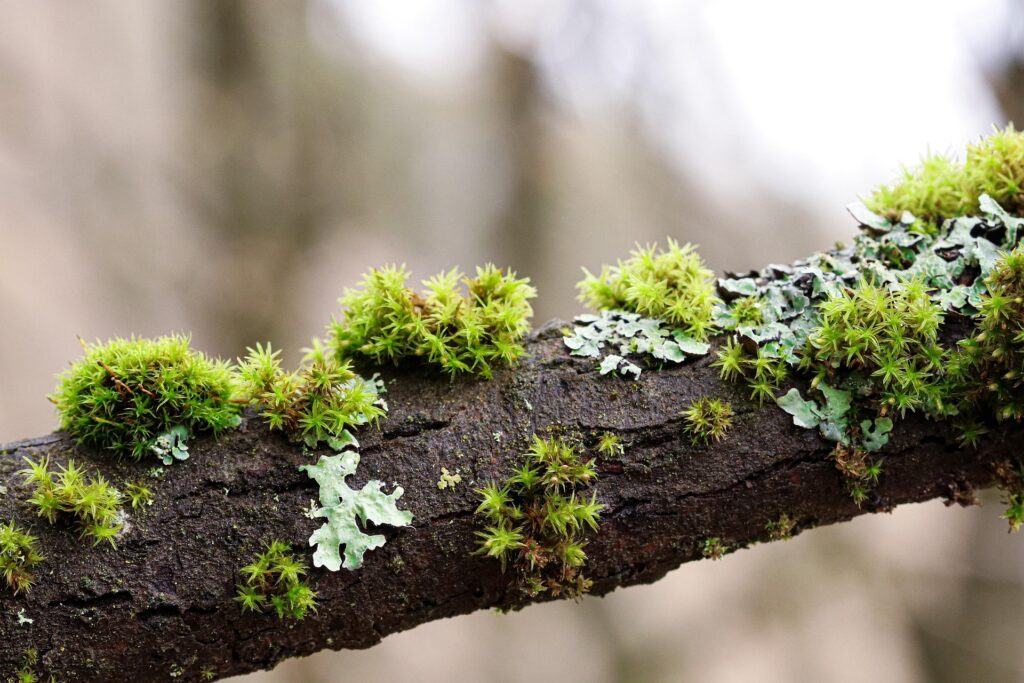
There are approximately 14,000 different species of moss around the world. Mosses are an essential part of the earth’s ecosystem. Like a sponge, moss absorbs many times its weight in moisture while soaking up rainfall, which helps prevent erosion, enrich soil with nutrients and organics, and provide food and habitat for numerous wildlife species.
Despite its many ecological benefits, many homeowners do not welcome this annual visitor and are looking for ways to get rid of it. However, many of the well-known methods to eradicate moss are toxic, especially to people, plants and aquatic life. Luckily, there are also non-toxic methods you can use to help control moss if you must.
Concerns with Moss and Your Home
Moss is potentially harmful to certain areas of your home. A roof with excessive moss can erode the shingles and widen tiny cracks in the roofing materials causing damage. On driveways and walkways, moss can be very slippery.
Lawns are a little different. While moss in a lawn causes no harm to grass, it can be a symptom of other problems such as soil compaction or low pH. Moss thrives in damp, full-shade, high acidic conditions that exist in the Pacific Northwest. Many Pacific Northwest dwellers have learned that moss can make a nice alternative to grass as it provides many of the benefits of grass. It is green and soft, but is very low maintenance. Moss does not need to be mowed, watered or fertilized!
Moss Killing Products
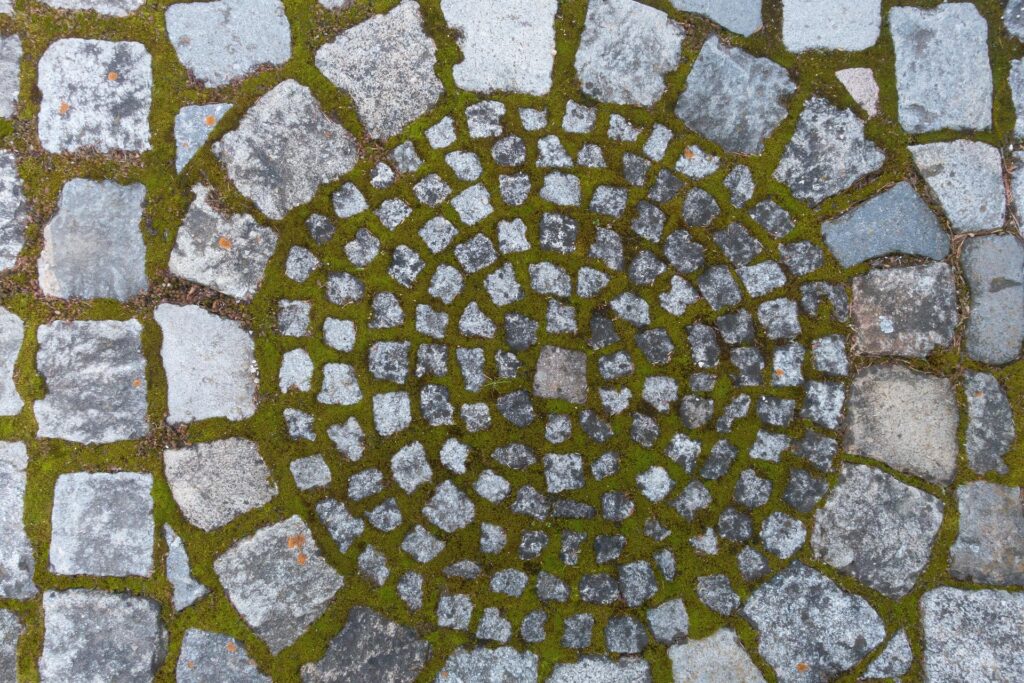
There are many products readily sold in stores to rid your home of moss. Most contain zinc, which, is highly effective at killing moss, but it is also toxic to aquatic life, other plants, pets, and humans. When it rains, the product will run off your roof and driveway, into your lawn and gardens, and into storm drains leading to local streams and Salish Sea. Also, these products do not remove the moss, so you will still need to remove it yourself.
Become the Boss of Your Moss: Through Prevention
Rooftops
A clean roof will generally not support moss. Eliminate the source of organic debris by cleaning the entire roof surface in the fall and spring. Use a broom or stiff brush to remove any debris such as leaves, sticks, dirt, and fir or pine needles. Trim any branches that hang directly over your roof. If your roof is due for an upgrade, consider installing a metal roof as moss is unable to grow on smooth surfaces.
Driveways and Walkways
To control moss on driveways and walkways, you can use a rake or shovel or power-wash the area with clean water to get rid of the moss. Remember, power washers are powerful and NOT recommended for your roof as they may cause damage. When power-washing, only use clean water, no chemicals, and make sure the water goes into the grass, not into the road or storm drains. The best time to use these methods is in the summer when it is drier and the moss is easier to break loose.
Lawns
Though we mentioned that moss is a great, low to no maintenance alternative to grass, and recommend learning to live with it or cultivate it as it can form a lush green lawn of its own, we realize that some neighborhood and homeowner associations require the control of moss in lawns. If moss is growing in your lawn, it is a sign that growing conditions are not ideal for grass. You may have low soil fertility, poor drainage, acidic soil and/or shady conditions. If necessary, below are a few steps you can take to discourage the moss growth in your yard:
- Use a thatching rake (or rent a de-thatching machine) to remove the moss and other dead material from your Labor Day through Oct. 15 is the optimal time.
- Apply topsoil and over-seed any bare areas that resulted from the de-thatching with a Pacific Northwest grass seed blend.
- Assess the drainage of your lawn; soggy areas are more likely to attract moss. If there are areas that remain soggy during the rainy season, there may be design solutions you can make to improve drainage.
- Test the soil’s pH using a soil test kit you can purchase from your local gardening supply store. If the pH is lower than 5.5, consider adding lime to the soil. You can find lime at any local gardening store. Moss prefers acidic soil and sweetening the soil with lime helps to discourage its growth. Keep in mind that the closer your lawn’s soil gets to 7.0, the more prone it will be to disease, so always test your soil before adding lime.
- If you have a well-shaded lawn, consider trimming the trees and shrubs to let more sunshine reach the shady places.
Alternatives to Zinc Products
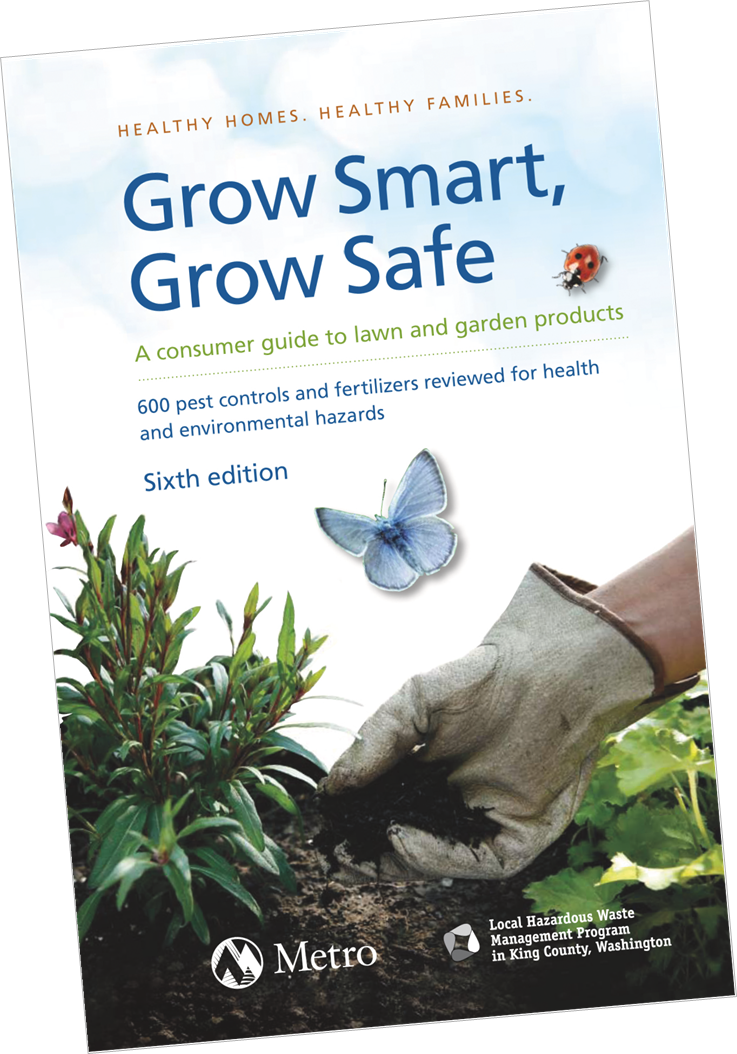
If you choose to use chemicals to kill the moss, there are some alternatives that are not as toxic as zinc. These can be found in the “Grow Smart, Grow Safe” publication.
You can also use baking soda to kill moss anywhere around your home. For moss in your lawns, Washington State University Extension recommends mixing 12 oz. of baking soda with 2 gallons of water in a garden sprayer. Spray the moss with the solution on a warm sunny day. Reapply if needed in a few days. Remove dead moss and reseed with grass.
This solution can also be used for moss in driveways and walkways. Sprinkle baking soda directly on the moss on your roof or walkways/driveways, and wait about a week for the rain to wash the baking soda into the moss. Once the moss is dead, use a broom to sweep it up or a rake it if it’s in your lawn.
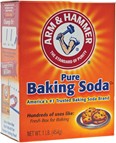
Baking soda is a safer alternative than other chemicals for killing moss, but it can be toxic to aquatic life. Always make sure to read labels for any chemicals you may use. When used in small amounts, it won’t kill your plants or lawn.
If you use any chemicals (including baking soda) to eradicate moss, even if the package says, “safe for the environment,” make sure the contaminated rinse water runoff does not flow into a storm drain or the street. Remember, “Only Rain Down the Storm Drain!”