
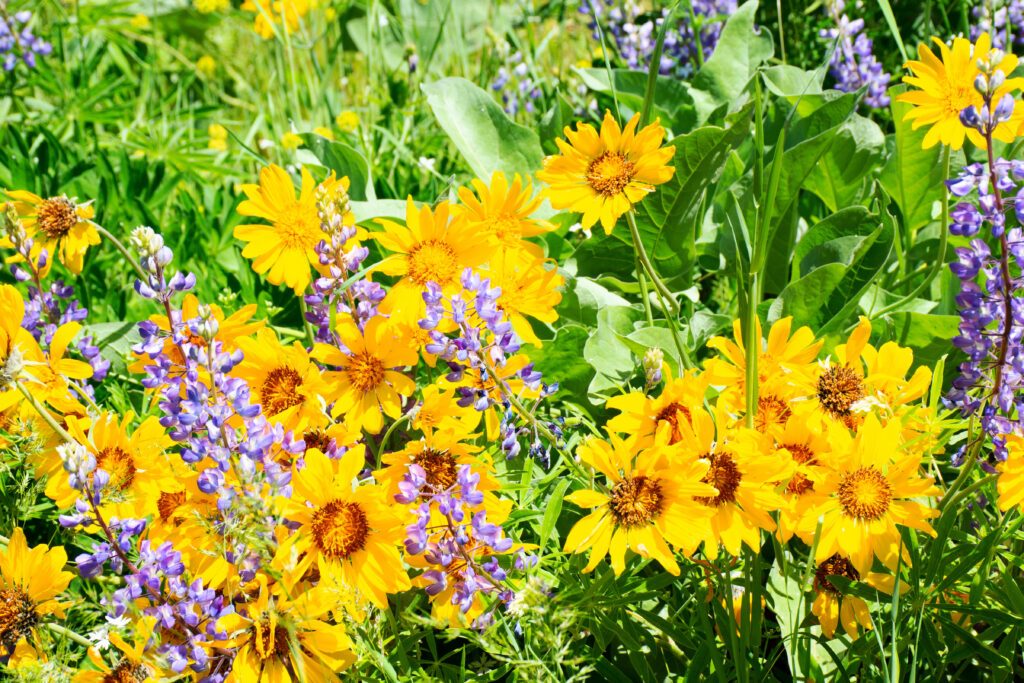
A backyard habitat is a yard that welcomes wildlife. By rethinking lawns and landscaping, even small yards can function as mini ecosystems. Native plants and a few simple features provide food, water, shelter, and places to rest or nest for birds, butterflies, and many other species that share our communities.
You don’t need a lot of space. Small, thoughtful changes can help make your yard feel more like home to wildlife.
Creating a backyard wildlife habitat
Healthy wildlife habitat provides four basic needs: food, water, shelter, and places to nest. A mix of these elements makes your yard welcoming to more species
Food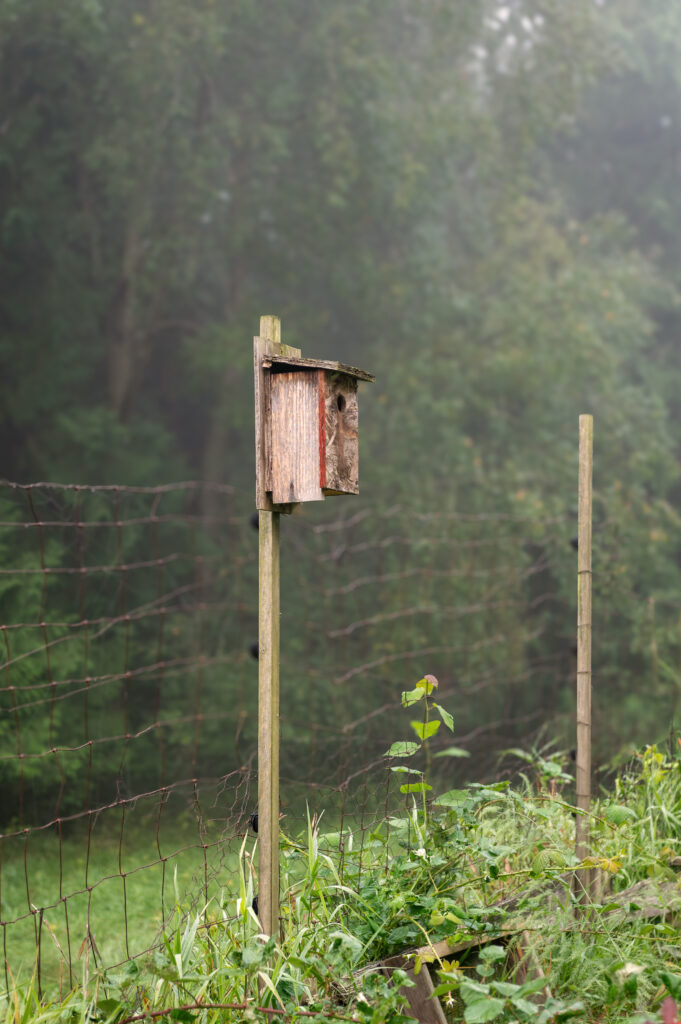
Plants do most of the work here. Seeds, berries, leaves, nectar, and nuts each feed different kinds of wildlife. Native plants are especially important because they are adapted to our local climate, need less water, and support the insects and animals that depend on them. The more variety you plant, the more wildlife your yard can support.
Water
A simple water source can make a big difference for wildlife. A bird bath, shallow dish, small pond, or nearby stream all offer places to drink and bathe. Plants around water sources also add shelter and helps keep the water cool and clean.
Shelter
Wildlife needs cover from weather and predators. Evergreens, shrubs, brambles, tall grasses, brush or rock piles, meadows, pond-like areas, and even container plants offer places to hide and rest. You don’t need a big yard—layering plantings and letting parts of your space grow can make it feel safe and welcoming.
Nesting
When it’s safe, dead or dying trees can be left standing as valuable habitat. They offer nesting spaces and food for birds, bats, and insects. Where that isn’t possible, nesting boxes can help. Different species need different sizes, so variety matters.
Make a plan
Plant trees, shrubs, and ground-layer plants together. Plant trees, shrubs, and ground-layer plants together. A thoughtful mix of plant heights provide food, shelter, and year-round cover for more wildlife.
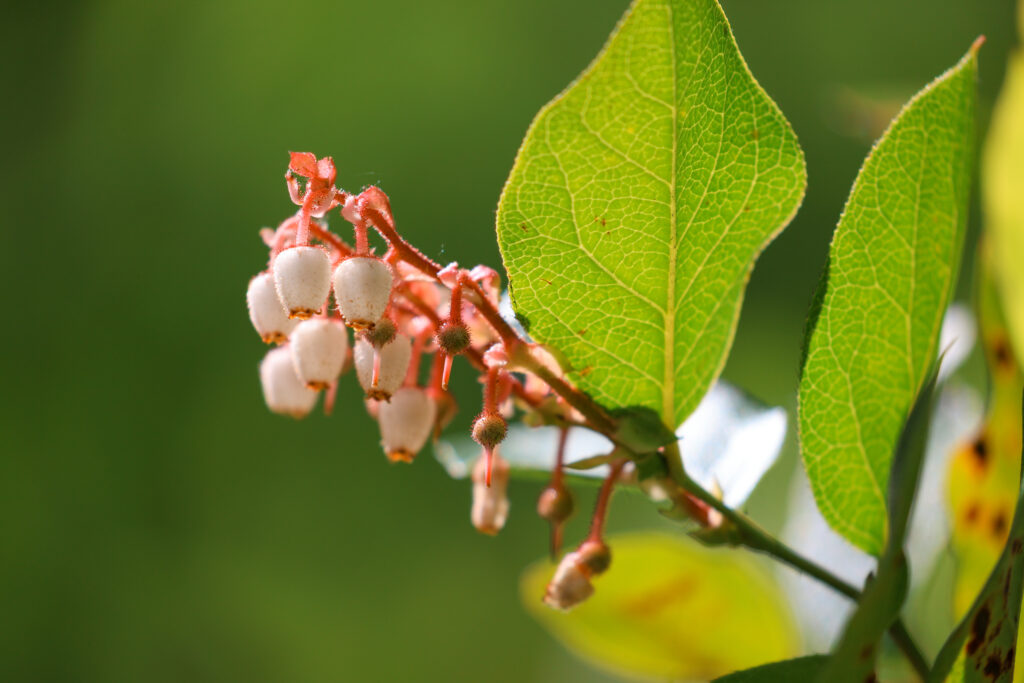
Consider native flowering plants. They’re adapted to local conditions and provide year-round food and shelter. Nectar feeds hummingbirds, bees, and butterflies, while berries and seeds support birds and other wildlife.
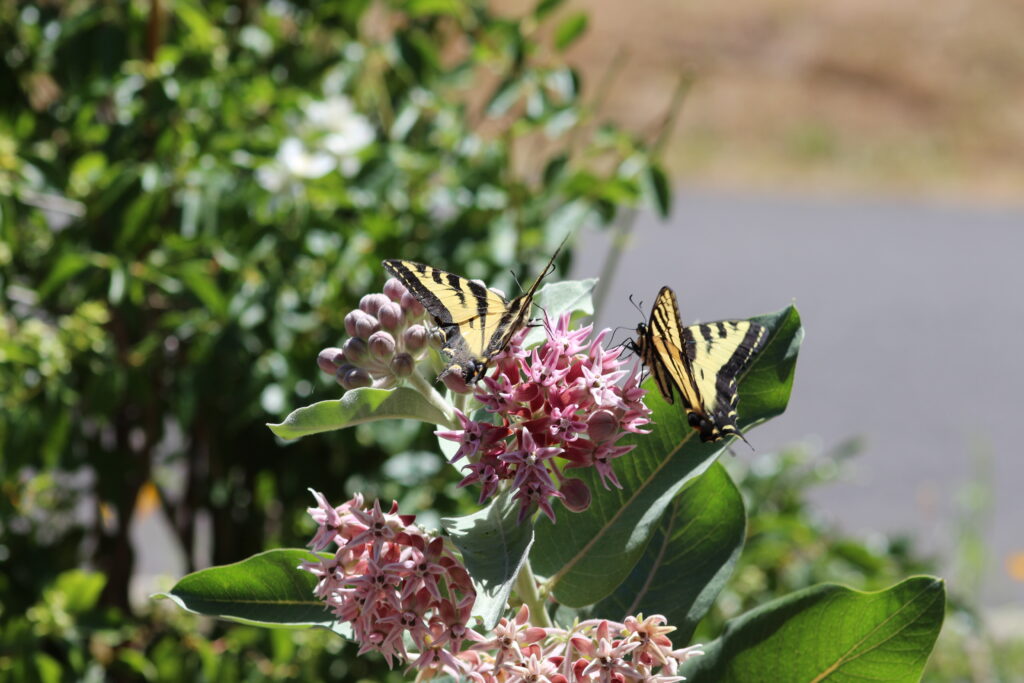
Choose plants that bloom and fruit at different times. This way, there’s always food available.
Not all ornamental plants stay contained in garden spaces. Plants like butterfly bush, English ivy, and holly may look attractive, but are non-native. This means they can crowd out native species and reduce habitat over time.
Start small
With a little planning, your yard can become a place that feels alive and welcoming to wildlife. Starting small and letting nature do some of the work goes a long way.
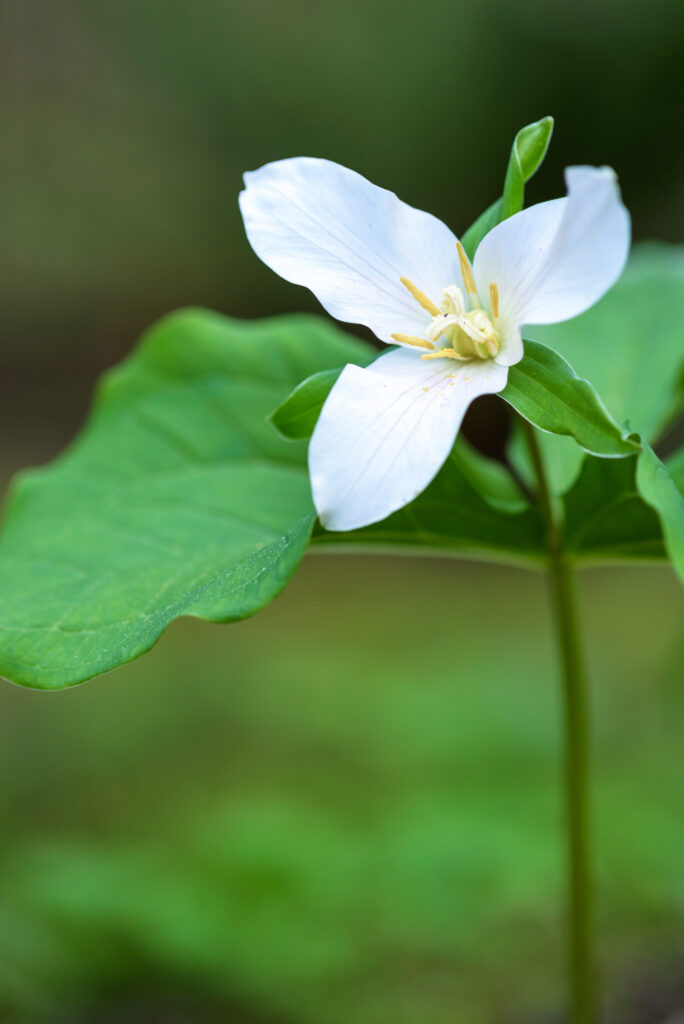
- You don’t have to change everything at once. A single native plant, one small water source, or letting part of your yard grow naturally can make a difference.
- Every yard is different. Pay attention to sun, shade, soil moisture, and the plants and animals already in your yard. Let those clues guide your choices.
- Habitat begins at home. When many people make small changes, backyards become part of a larger habitat network—connecting parks, greenbelts, and natural areas across a community.
Learn more:
WA Department of Fish & Wildlife