
Fall’s arrival marks the end of hot, dry summers in Washington. With shifts in seasonal weather becoming more pronounced because of the local effects of climate change, many of us celebrate the return of cooler, wetter days. Gardeners may mourn the onset of shorter daylight hours but can rejoice in the milder growing conditions.
Prepare your landscapes to enjoy the rain as we slide into a slower period of growth. Take note of the gradual changes happening in your yard, on a walk, or even from a window. Despite the darker days, fall feels like an especially vibrant time of year, as the showy maples, alders, and oak trees turn from summer’s green to vibrant oranges, reds, and yellows.
Leaf Clean-up
The name “fall” itself calls to mind the leaves’ departure from their trees, drifting down to the ground. While the loud buzzing of leaf blowers may beckon us streetward, let us pause to consider these gifts from the trees.
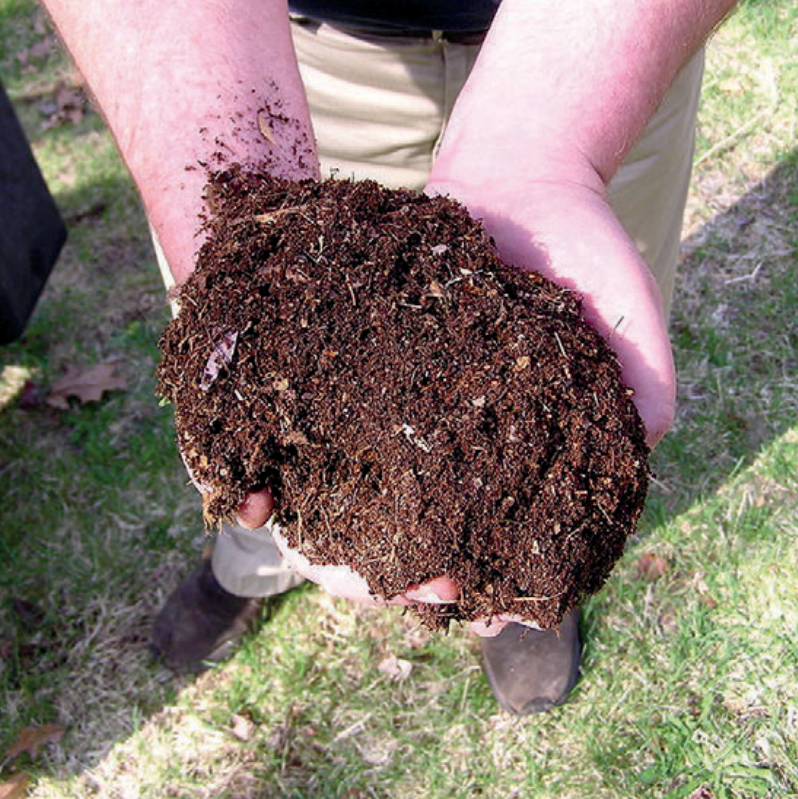
Leaves make excellent mulch and compost and can be raked (or blown) onto flower beds, garden spaces, or under trees to cover the ground over winter. Using leaves this way helps return some nutrients to the soil, prevents erosion when it rains, and provides insulation for more delicate plants through cold months.
One key point to remember when addressing leaves is to never blow your leaves into streets! While tempting to make the leaves that fall from yours or neighboring trees someone else’s problem, leaves blown into streets can actually make it harder or impossible for street sweepers to do their job. This action is also considered dumping, so just don’t do it!
For help removing leaves consider:
- Planning strategically: Keep only pathways cleared until most or all of the leaves have fallen from your trees. This will help eliminate having to re-do the hard work of raking or blowing.
- Talking to your neighbors: Working together with neighbors is a great way to build community and strategically plan leaf cleanup. If you all do this together, you’re reducing the chance of leaves blowing in from another yard. This would be a great opportunity to have a community clean-up, share a hot beverage, and help out neighbors who may not be able to do physically challenging work.
- Mulch mowing: Simply mow the leaves straight into your lawn without removing them This makes smaller pieces that will break down faster over the wet months, nourishing the grass or other plants beneath it.
Plant Native Plants
Fall is the optimum time of year for planting. The soil is still warm and the natural fall rains provide crucial moisture. This allows plants to establish significant root growth before winter dormancy or freezing, preparing them to better withstand the stress of hot, dry summer months. Cooler weather in fall and winter also leads to fewer pest and disease issues. Additionally, plants installed in the fall require fewer supplemental watering sessions the following spring and summer, enhancing outdoor water conservation efforts.
When selecting new plants:
- Right plant, right spot: Choose plants that suit the varying conditions in your yard, such as sunny, shady, moist, or dry spots. This is the first step toward an easy-to-care-for, pesticide-free yard.
- Choose native species: Select Pacific Northwest native and drought-tolerant plants. Native plants are better adapted to the region’s climate and environment over many thousands of years, require less supplemental watering, and provide essential food and cover/habitat for wildlife. Common native plants include sword fern, vine maple, salal, ocean spray, bald hip rose, and salmonberry.
- Avoid invasive varieties: Never plant invasive species such as English hawthorn, Norway maple, or Asian honeysuckles. You should also remove existing invasive plants like knotweed, scotch broom, Himalayan blackberry, English ivy, and tansy ragwort to protect local habitat.Se
To support urban wildlife through the winter, consider planting native or non-spreading shrubs that produce berries or seeds, as food sources are less available in the colder months. Native trees, shrubs, and other plants are preferred to non-native plants because native insects, which are essential food resources for native birds, reptiles, and mammals, are greatly reduced when non-native plants are used. Studies suggest planting at least 75% or more native plants in your landscape to support wildlife.
Native plants that provide winter forage and color include:
- Snowberry (Symphoricarpos albus): Provides white berries until the first hard frost.
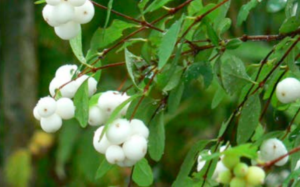
- Nootka Rose (Rosa nutkana): Grows well in western Washington gardens and produces beautiful red rosehips that last well into winter, providing an edible food source for wildlife.
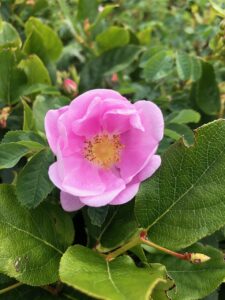
- Evergreen Huckleberry (Vaccinium ovatum): Offers beautiful evergreen foliage and dark blue-black berries.
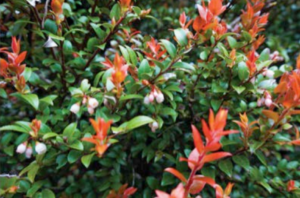
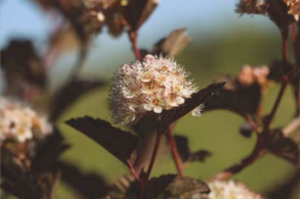
- Pacific Ninebark (Physocarpus capitatus): A drought-tolerant deciduous shrub with white spring flowers that offers browse for wildlife and seeds for birds in winter
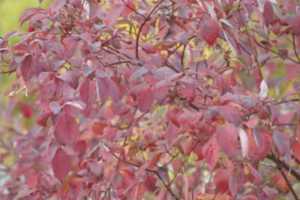
- Red-Osier Dogwood (Cornus sericea): Attractive year-round with red bark, white flower clusters, and golden fall foliage. It forms thickets used by birds, bees, butterflies, and small mammals.
Other excellent options include Cornelian Cherry (Cornus mas), which has bright red berries, and Pacific Northwest Viburnums like highbush cranberry, which have red fruits that last well into winter. By planting in the fall and prioritizing native species, you enhance water conservation efforts and provide crucial habitat and food for wildlife throughout the year.
Harvest Rainwater
Early fall is a great time to install a rain barrel or two for your home. Collecting rainwater from hard surfaces like roofs is an inexpensive and easy way to reduce stormwater runoff and save some money on your water bill.
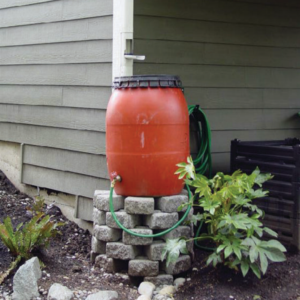
The benefits of rainwater reuse include:
- Providing an inexpensive supply of water.
- Reducing stormwater runoff and pollution.
- Reducing erosion.
- Providing water for irrigation or non-potable indoor uses.
- Helping to reduce peak summer water demands.
If you live in the City of Olympia, Lacey, or Tumwater, you may be eligible for a rain barrel rebate. Rainwater harvesting is an effective practice that addresses increasingly serious problems like limited water resources and stormwater pollution.
Lawn Care
Fall is the perfect time to help your lawn grow stronger and healthier! One of the best ways to give your lawn the nutrients it needs is by aerating it. Visit our Seasonal Yard Care Spring article to learn techniques for tending to your lawn.