
How are English ivy, periwinkle, herb-Robert, yellow archangel and ajuga bugleweed alike? They are all common shade-loving plants that spread rapidly and become invasive in our forests and natural areas. They severely impact local habitat by overtaking the native plants that native wildlife depends on for food and shelter. Surprisingly enough, you will still find these invasive plants for sale at many home and garden centers!
Shady yards and forested areas provide the ideal growing conditions for these plants. Their tolerance to shade allows them to overrun healthy forests, forming thick mats of vegetation that outcompete and smother beneficial native understory plants. They spread when people, animals, water and vehicles distribute seeds or plant fragments from yards and neighborhoods to forests and parks. Eliminating invasive plants from your yard and disposing of them properly is one of the best ways to prevent their spread to our natural areas.
What to do
To remove invasive plants, loosen the soil around them with a digging fork and pull out as much of the root mass as possible. A digging fork is preferred to a shovel as it will reduce root breakage and allow you to remove more of the roots. It is best to pull herb-Robert and yellow archangel before their flowers have gone to seed.
It is very important to bag and trash the plants after pulling. Never put invasives into the yard waste bin or compost pile. Some noxious weeds can be disposed of at public collections sites (check out the Weeds: Noxious [add hyperlink to Weeds: Noxious] article for more information). However, most needs to be thrown in the trash. Proper disposal ensures that the plants you remove will not spread or contaminate compost made from your yard debris.
Once your site is clear of invasives, replant with natives.
If mowing over invasive plants, remember to clean and wash your mower of plant fragments so they will not spread throughout your lawn.
Mulch & maintain
Add 2-3 inches of mulch around new native plants to protect them while they establish root systems and grow stronger. Mulch reduces moisture loss, covers and protects bare soil and inhibits new weed growth. You can buy mulch at your local garden supply store or make it at home. Compost, bark chips, fallen leaves and straw are common materials used as mulch.
For a few years, watch your replanted area for any new weed growth. Pull out new growth and remulch as needed. Removing and replacing invasive plants can require persistence, but the benefits to your yard and our community’s ecosystem are well worth the effort. Enjoy your new native garden!
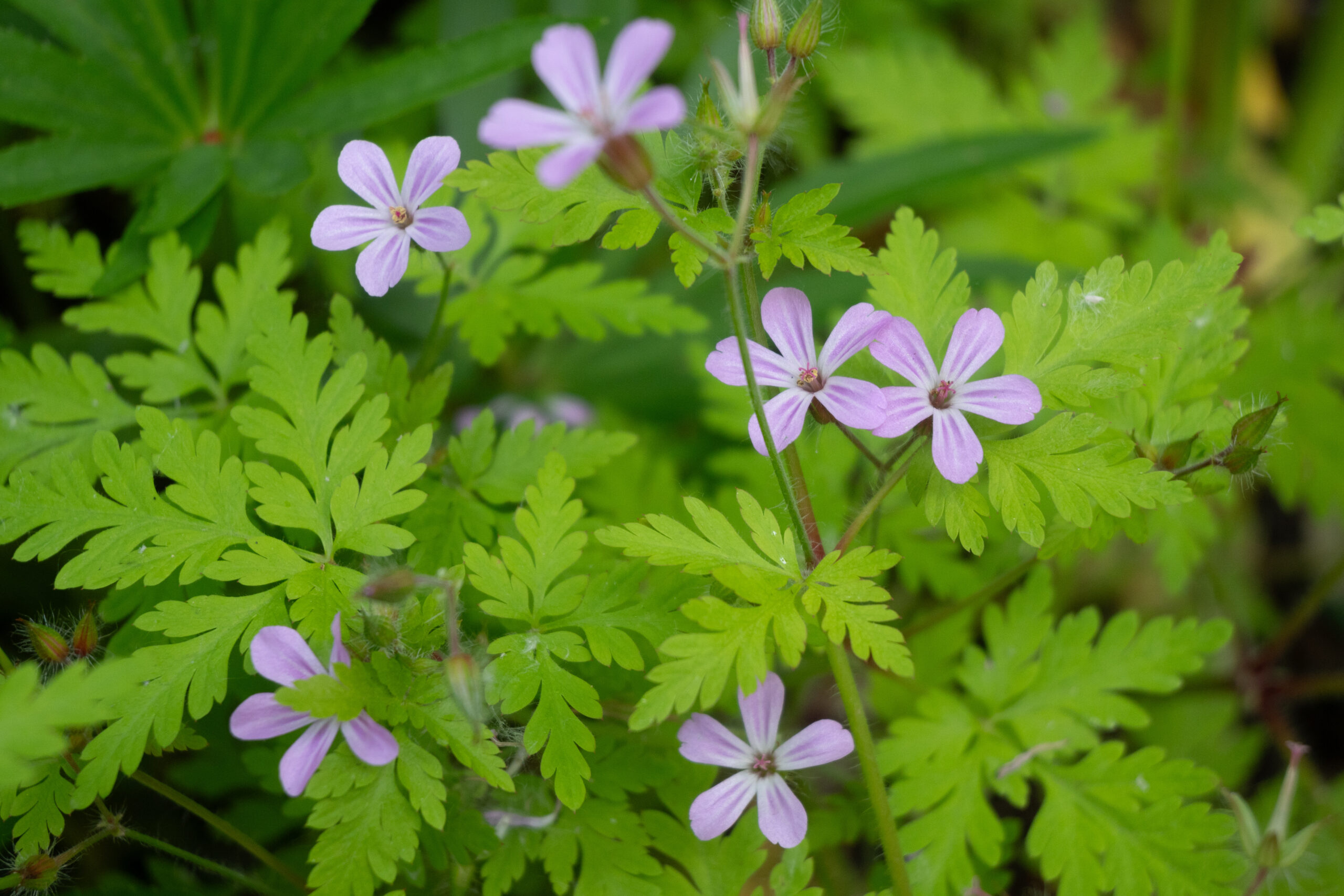
Herb-Robert (Geranium robertium)
How They Spread: Seeds
Removal Method: Pull in early spring before they go to seed or mow* before flowering if you cannot get them pulled.
More info: Herb-Robert
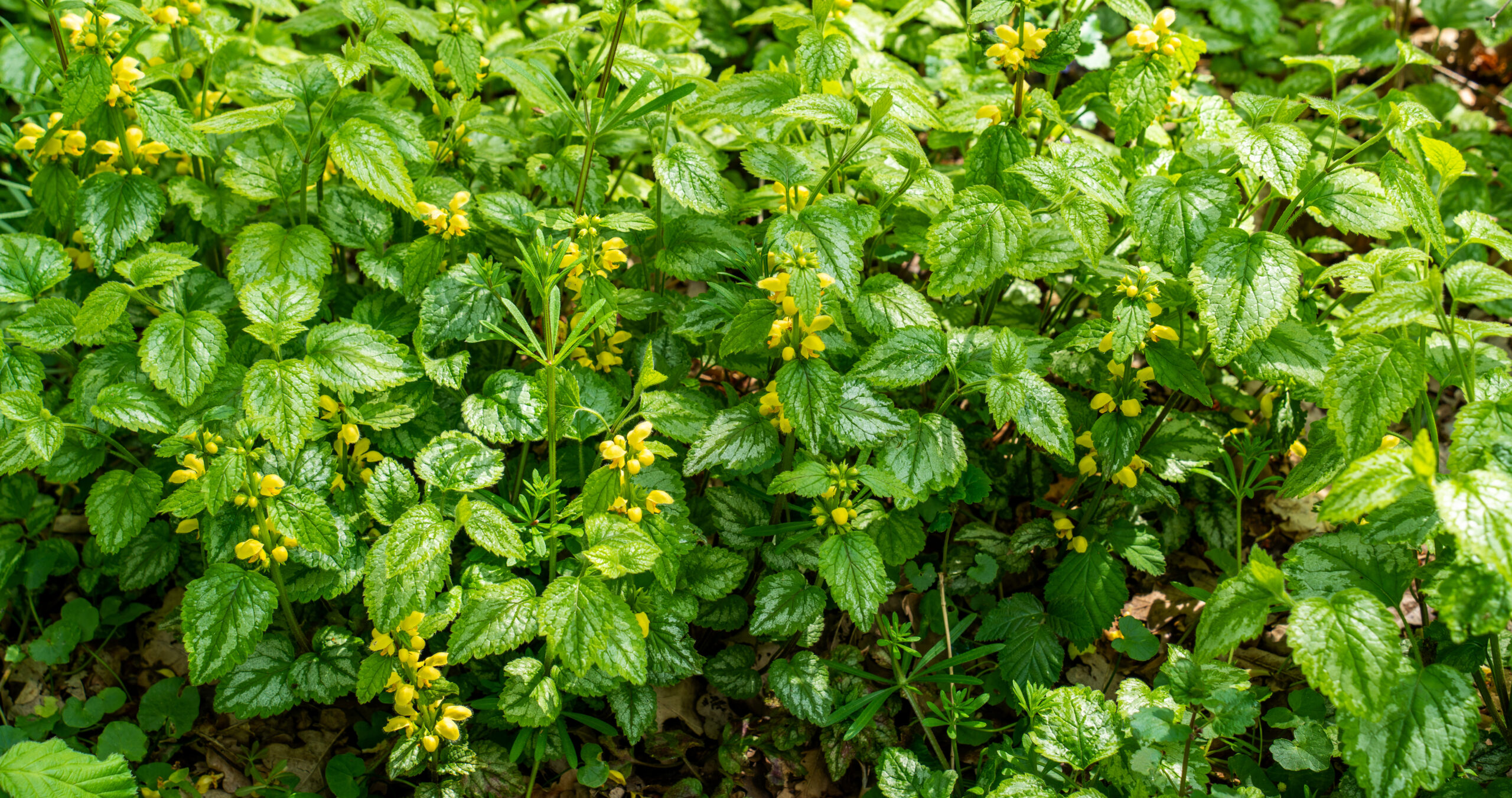 Yellow Archangel (Lamium galeobdolon)
How They Spread: Seeds, Rhizomes (runners) and roots
Removal Method: Pull in early spring before they go to seed or mow* before flowering if you cannot get them pulled.
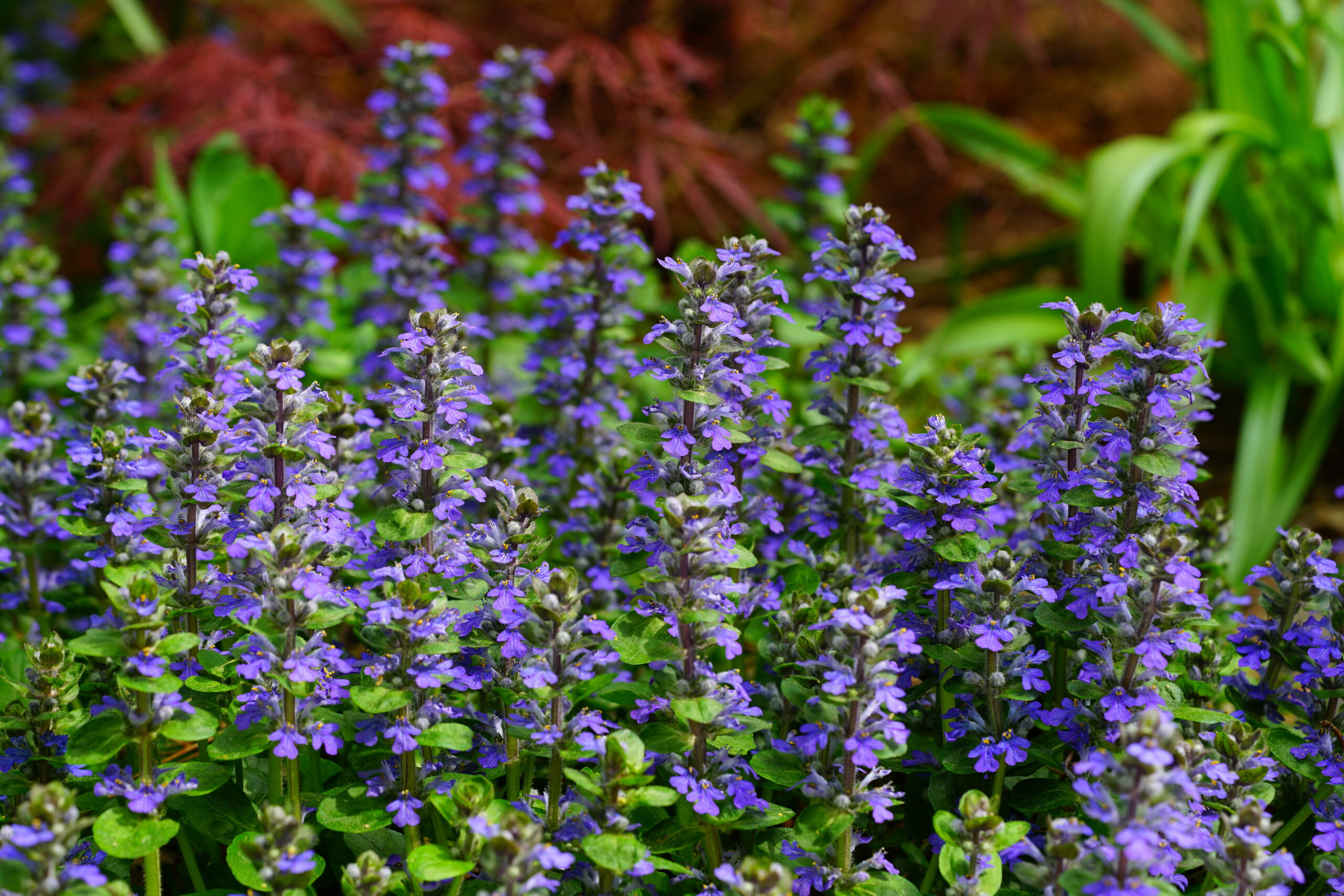
Ajuga Bugleweed (Ajuga reptans)
How They Spread: Rhizomes (runners) and roots
Removal Method: Dig roots any time of year
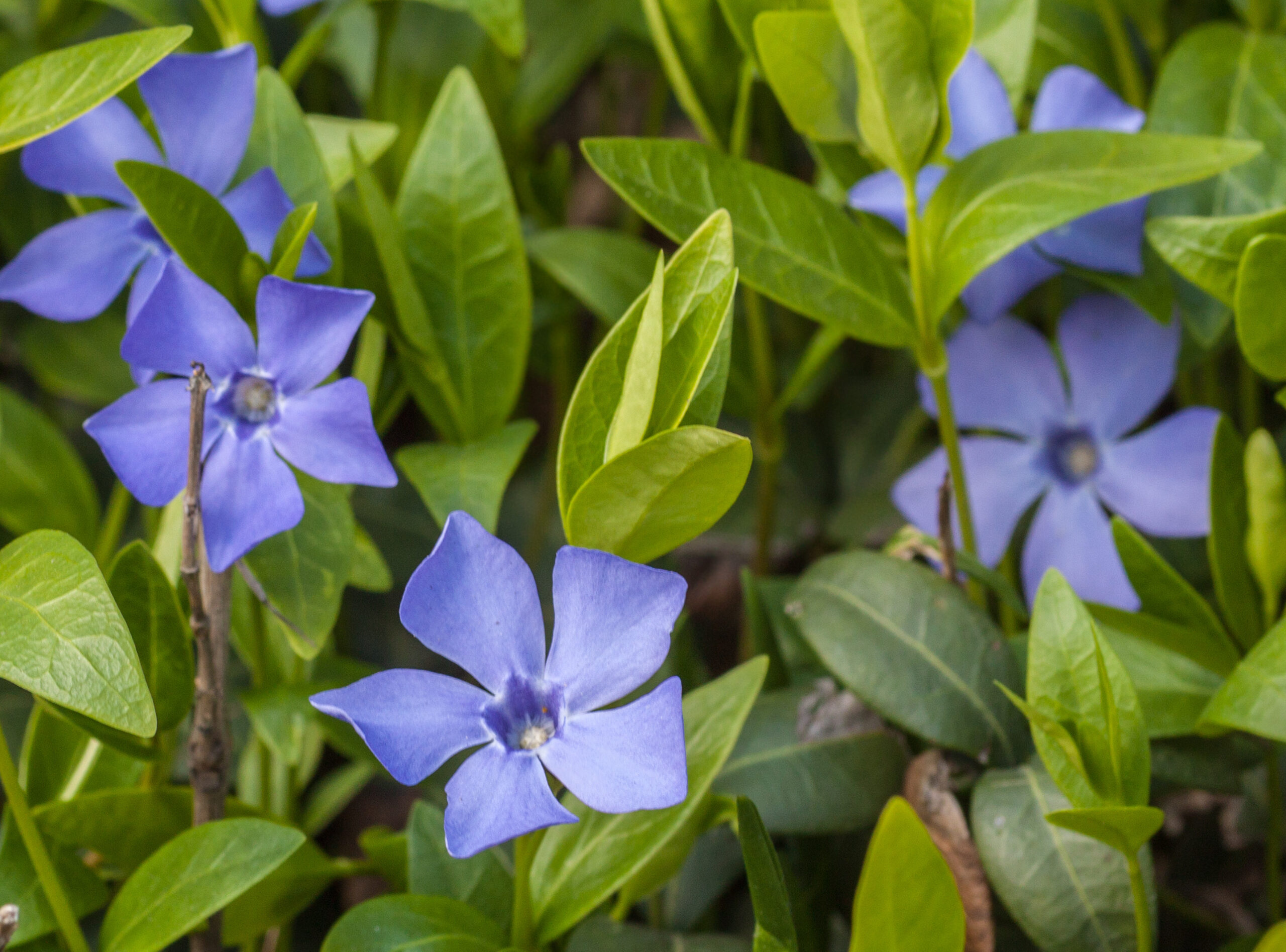
Periwinkle (Vinca minor and Vinca major)
How They Spread: Seeds, Rhizomes (runners) and roots
Removal Method: Dig roots any time of year
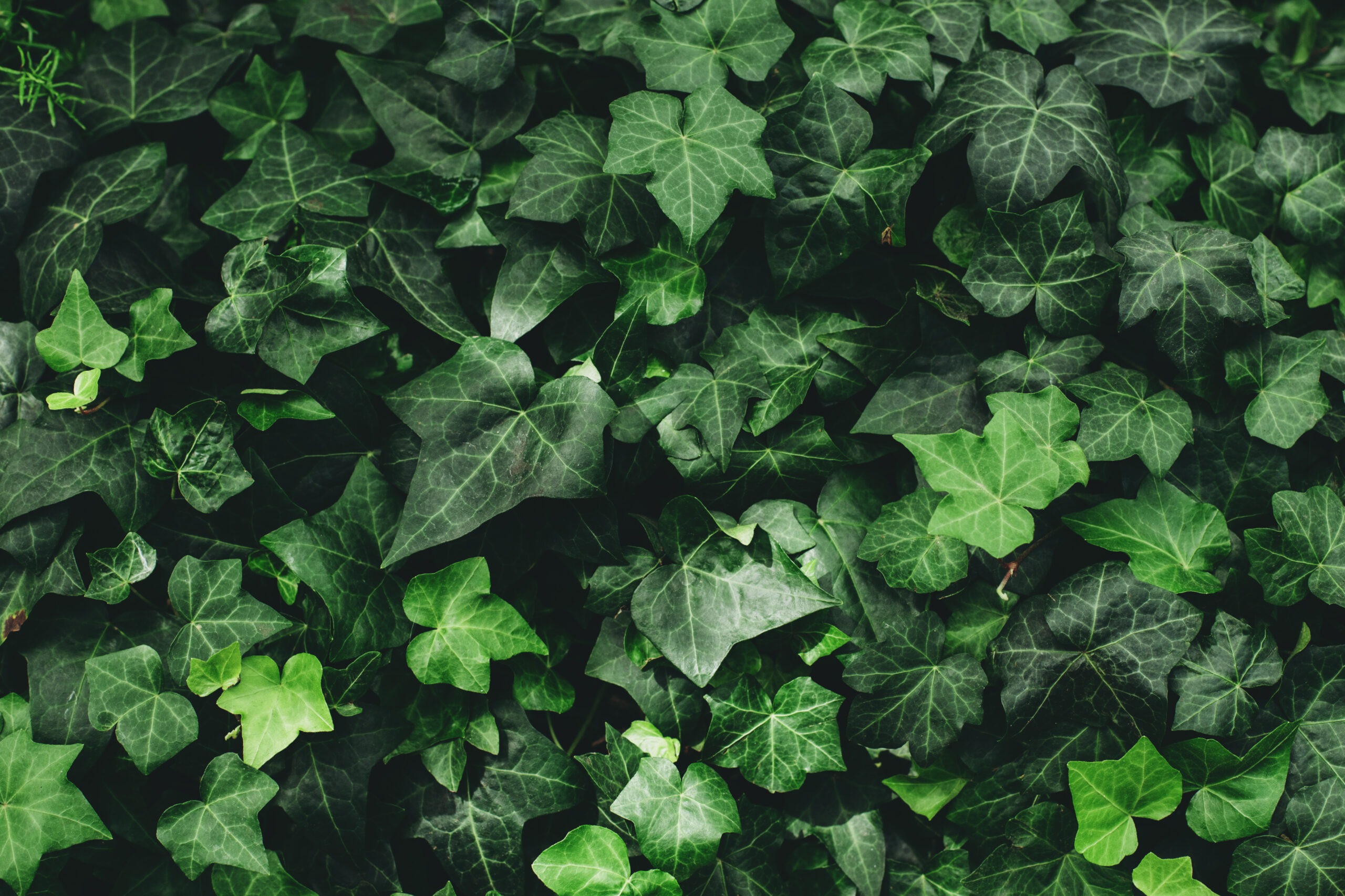
English Ivy (Hedera helix)
How They Spread: Berries/seeds
Removal Method: Pull or dig roots any time of year
Shade Loving Native Plant Alternatives
Groundcovers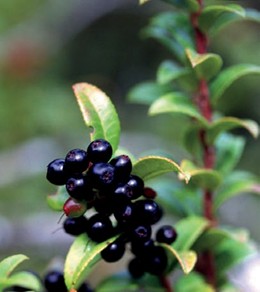
- Pacific bleeding heart (Dicentra formosa)
- False lily-of-the-valley (Maianthemum dilatatum)
- Piggyback plant (Tolmiea menziesii)
- Fringecup (Tellima grandiflora)
- Slough sedge (Carex obnupta)
- Deer fern (Blechnum spicant)
- Sword fern (Polystichum munitum)
Shrubs
- Salal (Gaultheria shallon)
- Cascade Oregon-grape (Mahonia nervosa)
- Evergreen huckleberry (Vaccinium ovatum)
- Red huckleberry (Vaccinium parvifolium)
For more information on these and other invasive or naturalizing plants, visit Thurston County’s website or King County’s website.