
With wetter weather and cooler temperatures, winter may not feel like the best time to worry about home maintenance or yard work. However, there are plenty of simple activities you can do now to help your home thrive over winter.
Downspouts and Gutters
Inspecting and cleaning your home’s gutters and downspouts at least twice a year ensures that water is moving off the roof and away from your home, preventing expensive damage and flooding.
- Clean gutters and downspouts twice annually, especially after autumn leaves have finished falling.
- Inspect for leaks or damage, and repair or replace as necessary.
- Identify where your downspouts discharge to. If they lead to a drywell or other stormwater system feature, you are good to go. If not, direct runoff away from your foundation onto lawns, landscaped areas, or rain catchment devices like rain barrels. Make sure flow is not directed off your property towards your neighbors’ property or a roadway.
- Add a splash block, rock, or perforated pipe to slow the flow and spread roof runoff into lawns, landscaped areas, rain gardens, or rock-lined infiltration trenches.
Snow and Ice
Treating paved areas with snowmelt or salts can help prevent slippery spots or ice from accumulating during bouts of exceptionally cold weather. However, many products sold to melt ice are water soluble, and therefore can be harmful to aquatic life and pets.
Draining Pools or Hot Tubs
Did you know that draining a swimming pool or hot tub into a nearby storm drain is illegal? Chlorinated water, chlorine, and bromine are all considered illicit discharges if they enter a storm drain.
To help minimize your impact, follow these steps for draining your pools or hot tubs. Note: These procedures apply only to households that are connected to the city sewer and not for households with on-site septic systems.
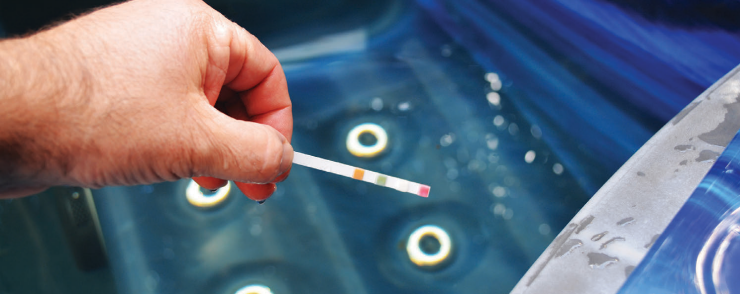
- If your pool or hot tub water is chlorinated, allow the water to sit at least 2 full days after the last addition of chemicals like chlorine or bromine. After this, test to make sure the chlorine levels are at 0.1 ppm or less, and that there is a neutral pH level.
- Drain the water to the following locations:
- Lawn area: The soil will filter out most chemicals and pollutants remaining in the water.
- Household sink or bathtub: Run a garden hose between your pool and a sink or bathtub and start the flow. This will direct water into the sanitary sewer where the water will be treated.
- Sanitary sewer cleanout: Locate your sanitary sewer cleanout for your house (cap will be black or green in color) and run your hose from the pool to the cleanout. Do not attempt to open or remove a sewer manhole cover – this is dangerous and not recommended!
- If you have an on-site septic system, don’t dispose of treated water into it. Large volumes of water are harmful to septic systems, and the chlorine can destroy important bacteria in the system. Drain onto grass, away from the drain field, and not into a storm drain.
Maintaining RVs

Before you cover your RV or put it in storage, you will likely perform annual maintenance or winter preparations. To help prevent surface water pollution, cover concrete or asphalt with a tarp before performing maintenance activities to make spill cleanup easier.
After maintenance is complete, always remember to recycle old oils, antifreeze, solvents, and batteries. Many local auto part stores accept used oil and oil filters. Additionally, Thurston County’s HazoHouse at the Thurston County Waste and Recovery Center accepts oil, oil filters, antifreeze, and other hazardous substances. For a complete list of what is accepted, visit Garbage & Recycling | Thurston County.
Proper Disposal Tips
- Never dump new or used automotive fluids or solvents on the ground, in a storm drain, or street.
- Never mix wastes. The chlorinated solvents in some cleaners can contaminate a huge tank of used oil, rendering it unsuitable for recycling. Always keep your wastes in separate containers, properly labeled, and stored out of the weather.
Proper Storage Tips
- Check for and dispose of unwanted chemicals safely.
- Store any hazardous materials upright, in their original containers.
- Keep out of reach of children and pets.
- Be mindful of temperature variances in outdoor storage areas. Refer to product labels for safe storage temperatures.
Spill Cleanup
Always keep a bag of kitty litter on hand to absorb spills. If there is a spill, sprinkle a good layer of kitty litter over the top, let it absorb, and then sweep it up a few minutes later. Double bag the contaminated litter in plastic bags, tie it up, and dispose of it in your regular garbage.